Asset Management in Manufacturing Quality
In manufacturing, quality depends on more than capable people and well-designed processes. It also depends on the condition, availability and accuracy of the assets used to make and inspect products. A production machine that drifts out of specification can create defects. A measuring instrument with overdue calibration can undermine inspection results. And when maintenance or calibration records are scattered across spreadsheets, teams may struggle to act before a missed task becomes a quality problem.
A structured asset management approach brings equipment records, maintenance activities, calibration status and responsibilities into a controlled process. The result is better visibility into the resources that influence product conformity and a stronger foundation for consistent manufacturing quality.
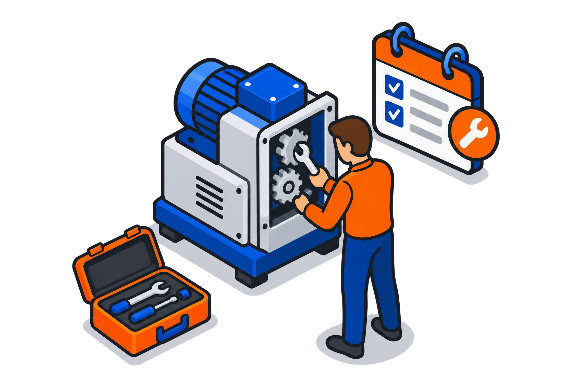
What Asset Management in Manufacturing Means for Quality
Manufacturing assets include production machinery, tooling, inspection and measuring instruments, utilities, laboratory equipment and supporting systems. Not every asset requires the same controls. The level of control should reflect how the asset is used and the risk its performance poses to product quality. ISO 9001 auditing guidance emphasizes that organizations should determine whether monitoring and measuring resources are suitable for their intended use, and that the degree of control depends on the processes, outputs and related risks.
That makes asset management a quality responsibility as well as an engineering or maintenance activity. It helps connect equipment condition to process performance, measurement confidence and documented evidence.
Common challenges
Fragmented asset information. Asset details may be spread across paper files, spreadsheets, email and department-specific systems. Teams can lose track of ownership, location, service history or the current status of equipment-especially across multiple production lines or sites.
Missed maintenance and calibration dates. Manual calendars and reminders are easy to overlook. When planned maintenance is delayed, equipment deterioration may go unnoticed. When a quality-critical instrument is not calibrated or verified as required, people may make decisions using results whose validity is uncertain.
Incomplete history and weak traceability. If service records, calibration results, approvals and corrective actions are hard to retrieve, teams have less context for troubleshooting. They may also spend extra time preparing evidence for audits or investigating whether past measurements and products were affected.
Reactive decision-making. Without a reliable view of asset condition and upcoming work, maintenance can become a cycle of breakdowns and urgent repairs. This disrupts schedules and can put pressure on production teams to continue operating with equipment that should be assessed first.
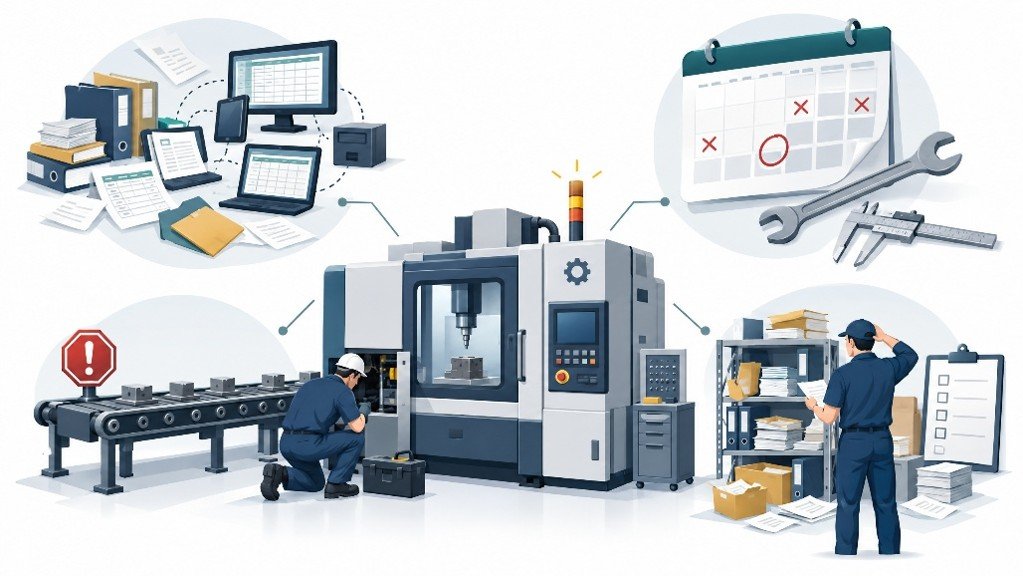
How Poor Asset Management in Manufacturing Affects Quality
Equipment problems can influence quality in different ways. Wear, misalignment or unstable operating conditions may produce variation or defects. An inaccurate gauge or test instrument can cause a conforming product to be rejected-or a nonconforming product to pass inspection. When equipment status is unclear, teams may have to pause work while they confirm whether the asset is suitable for use.
The impact can extend beyond the production line. Rework, scrap, delayed orders and investigations consume time and resources. If an instrument is found out of tolerance, the organization may need to assess the validity of previous results and decide whether further action is needed. Clear calibration and maintenance records help teams make that assessment with evidence rather than guesswork. ISO’s auditing guidance highlights the importance of equipment suitability, valid results and controls appropriate to the measurement’s intended use.
The solution: Live!QC Tools
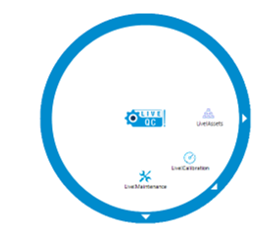
Live!QC Tools brings asset information and its recurring quality-related activities together through Live!Assets, Live!Calibration, Live!Maintenance and Live!Records. Instead of tracking equipment details in one place and service or calibration events elsewhere, teams can manage these activities as connected parts of the asset lifecycle.
Live!Assets provides the central asset record. Organizations can configure asset forms, classifications and workflows to capture information relevant to their operations, whether the asset is production machinery, an inspection instrument or a utility equipment. This shared repository gives teams a common view of asset details, status and history. Maintenance and calibration can then be organized around each asset’s required cycle.
Live!Assets supports maintenance scheduling, calibration due-date tracking and configurable alerts. Live!Records is shown in the figure as part of the connected cycle, helping maintain the documents like certificates and other related documents associated with asset activities. Together, these capabilities help teams see upcoming work, follow asset-related activity and retrieve records when they need to review an issue or demonstrate traceability.
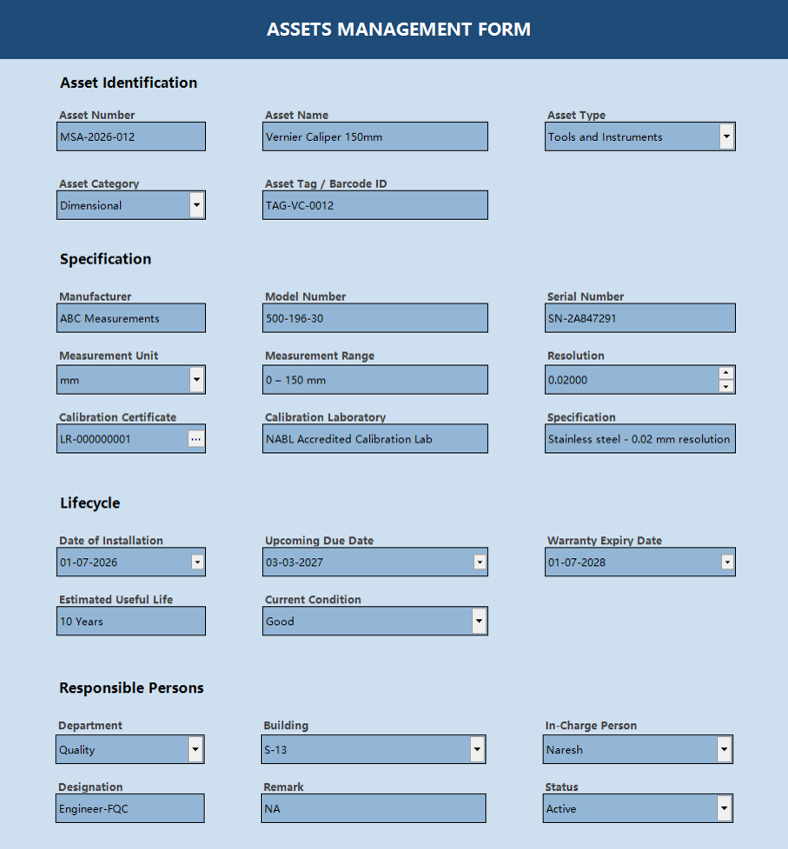
The platform supports the process; manufacturers still define their asset data, schedules, responsibilities and acceptance criteria. Those controls should reflect intended use and risk. ISO 9001 auditing guidance emphasizes that monitoring and measuring resources must be suitable for their intended activities and provide valid results.
Benefits of connected asset management
A connected asset process gives production, quality and maintenance teams a shared view of what equipment exists, where it is, what condition it is in and what action is due. Linking assets to planned calibration and maintenance cycles can make recurring work easier to see and manage. Alerts and clear ownership can help teams act before deadlines are missed.
Centralized histories improve traceability. When maintenance, calibration and operational records are associated with the asset, teams have a clearer basis for investigating issues and retrieving evidence. Better visibility can support planning, accountability and operational continuity. These are practical benefits, not a substitute for competent personnel, suitable procedures or risk-based decisions.
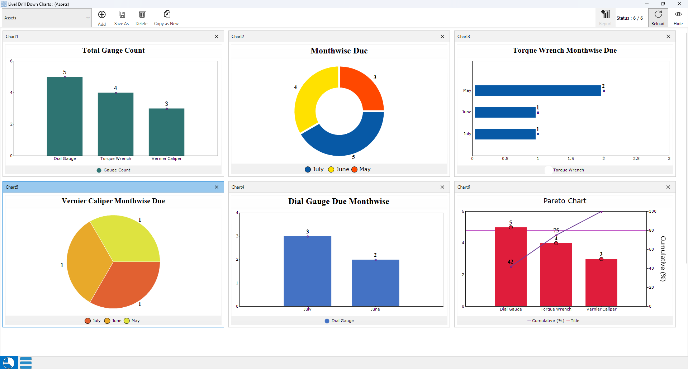
Live!QC Tools is designed to support these benefits through Live!Assets configurable forms and workflows, maintenance scheduling, calibration due-date tracking, centralized histories, customizable alerts and a better visibility through the dashboard. The product page describes support for production machinery, inspection and measuring instruments, utilities, facilities and other organizational assets.
From asset visibility to better quality outcomes
Effective asset management is not simply a database of machines. It is a working process that links each asset to its recurring maintenance and calibration activities, its status and its records. When teams can see what is due, understand which assets matter most and retrieve a dependable history, they are better positioned to prevent avoidable disruption and make informed decisions when equipment issues arise.
By connecting Live!Assets with Live!Calibration, Live!Maintenance and Live!Records, Live!QC Tools offers manufacturers a unified way to manage assets and their related quality activities. Teams can keep asset information, recurring work and supporting records connected, while configuring controls around their equipment risks and operating schedules.