Introduction
In many manufacturing plants, if we ask a quality engineer how things are running on the shop floor, the common response is:
“We’re managing.”
That word — managing — says a lot.
We could see inspection sheets stacked on a desk, Excel files open on screens, and a whiteboard filled with pending corrective actions. The team was working hard. But most of the time was spent on compiling data, following up and preparing for the next audit.
We were not improving quality.
We were surviving on it.
“The real difference between factories is not effort. It’s maturity.”
Firefighting with Scattered Data’s
In many plants, quality still runs on paper formats and Spreadsheets. Inspection data is written manually and later entered again for reports. If a defect appears, everyone reacts immediately. Production pauses, Meetings happen and Root cause analysis begins usually under pressure.
Audit time? That’s another level of stress. Files are searched. Records are compiled.
Nothing is “wrong.” But everything feels heavy.
If this sounds familiar, the system may still be reactive. The team works hard, but the process itself is not helping them.

Audit time? That’s another level of stress. Files are searched. Records are compiled.
Nothing is “wrong.” But everything feels heavy.
If this sounds familiar, the system may still be reactive. The team works hard, but the process itself is not helping them.
More Control, But Still Struggling with Scattered Data’s
Some factories move a step ahead. They standardize the formats and introduce basic digital tools. Reports are cleaner and Processes are defined.
Things look organized.
But when we ask for real-time defect trends, they say, “They’ll send it by evening.” When corrective actions are assigned, follow-ups still happen through calls.
There is an improvement, but decisions are still reactive.
The system is better. But it is not connected.
At this point, many manufacturers begin realizing that isolated tools and spreadsheets are not enough. What they need is a structured, integrated approach that connects inspections, non-conformances, corrective actions, and visibility in one place. This is where platforms like Live!QC Tools  start becoming relevant — not just as digital tools, but as enablers of connected quality processes.
Connected Quality Processes: Real-Time Visibility and Control
Now imagine a different situation.
Inspection data is captured once and instantly visible. Defect trends can be seen during production, not after. Corrective actions are tracked clearly, and responsibilities are visible to everyone involved.
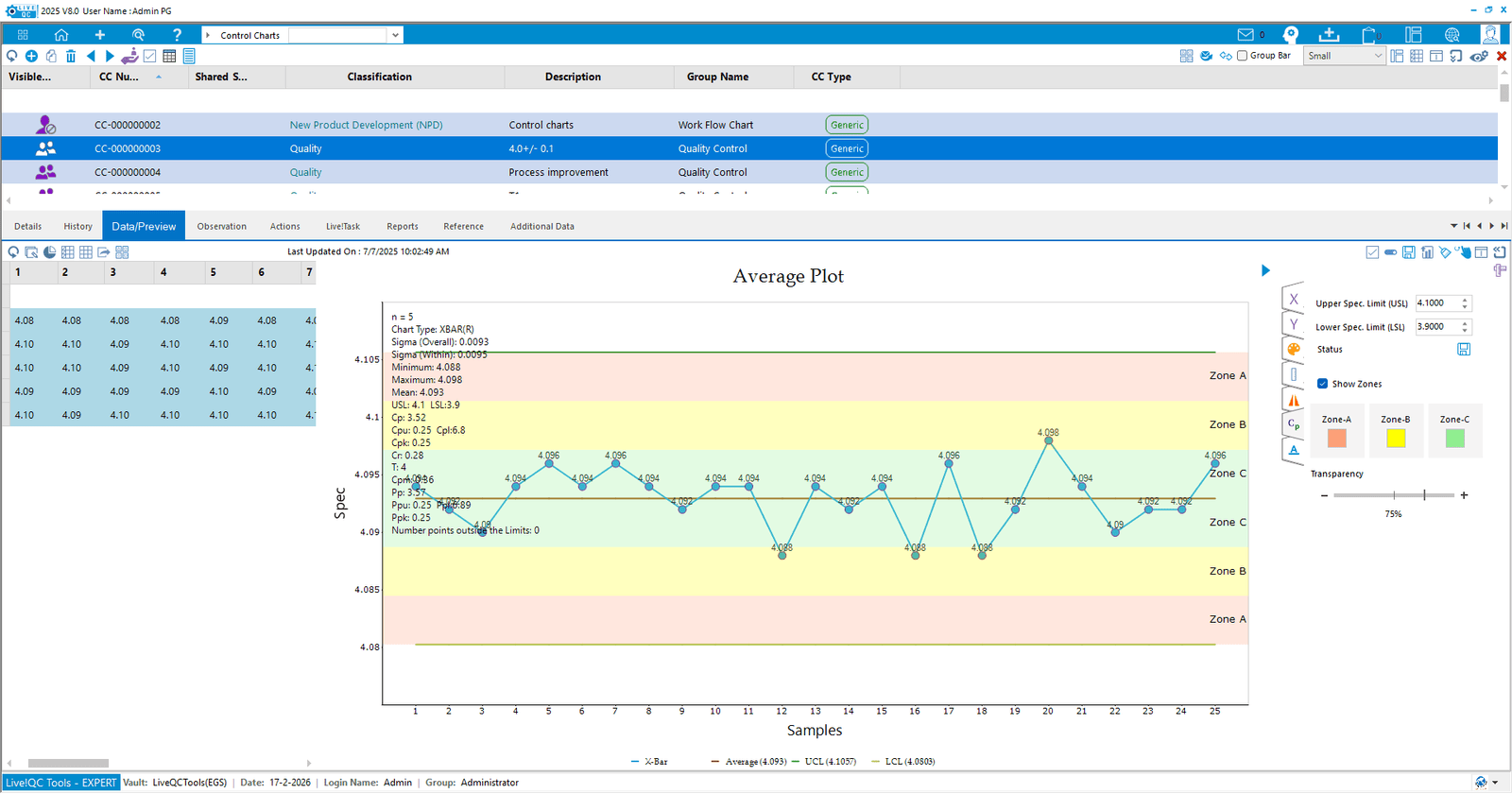
The difference is not in effort.
It’s in visibility and connection.
Preventive Quality Systems: Shifting Focus from Defects to Improvement
Quality is not about reacting to defects, it’s about preventing them.
Data is used to identify patterns early. Meetings focus on improvement, not damage control. Quality engineers spend more time strengthening processes than compiling reports.
There is less tension during audits. Fewer surprises and More confidence.
Most importantly, less firefighting.
So Where Do We Stand?
Every organization sits somewhere on this journey. There’s no right or wrong stage. What matters is awareness.
Are we spending most of our time compiling and correcting?
Many manufacturers today are moving toward connected quality platforms like Live!QC Tools – not just to digitize, but to simplify. The goal isn’t to add complexity. It’s to reduce manual effort, improve clarity, and support smarter decisions on the shop floor.

Conclusion
Quality teams are working hard everywhere.
But the future of shop-floor quality won’t be defined by how hard we work — it will be defined by how intelligently our systems support us.
The real question is simple:
Are you managing quality… or are you ready to move ahead of it?