You closed the laptop. The shift is over. So why are you still thinking about that quality issue?
For most people, the workday ends when they leave the factory.
For a quality engineer, sometimes the workday continues in their head.
“Did we really find the root cause?”
“Was the corrective action effective?”
“Did we complete the verification?”
“What if the problem happens again tomorrow?”
If these questions sound familiar, the problem may not be your workload alone.
It may be the way your quality process is being managed.
When the Problem Doesn't End with the Shift
A quality issue can involve several activities:
- Issue identification
- Root cause analysis
- Corrective action
- Responsibility assignment
- Evidence collection
- Effectiveness verification
- Closure
When these activities are managed through emails, spreadsheets, separate documents, and manual follow-ups, the quality engineer often becomes the person connecting everything.
The result?
More follow-ups. More searching. More waiting. More firefighting.
The Hidden Problem: Fragmented Quality Processes
Consider a machining process generating repeated dimensional rejection.
The engineer raises an issue and starts the RCA.
The RCA is documented separately.
The corrective action is communicated through email.
Evidence is stored in another folder.
Verification happens later.
Previous similar issues are searched manually.
The engineer may be doing everything correctly.
But the process itself is fragmented.
Instead of:
Issue → RCA → Corrective Action → Verification → Closure
it becomes:
Issue → Investigation → Email → Follow-up → Excel → Evidence → More Follow-up
And every additional handoff creates another opportunity for delay or missed information.
Should Quality Engineers Have to Remember Every Open Problem?
Think about the number of questions a quality engineer may have to keep track of:
Which RCA is pending?
Who owns this corrective action?
Where is the evidence?
Has effectiveness been verified?
Have we seen this problem before?
These should not depend entirely on someone’s memory.
A structured quality system can make the status, responsibility, actions, evidence, and verification visible and traceable.
The goal is not to replace engineering judgment.
It is to reduce the amount of information people have to remember and manually chase.
From Quality Firefighting to Digital Quality Management
A structured workflow can turn:
Issue → Investigation → Follow-up → Closure
into:
Issue → RCA → Corrective Action → Responsibility → Verification → Closure
Each stage has a defined purpose, and the quality history remains connected.
This helps the team spend less time asking “Where does this stand?” and more time asking “How do we prevent this from happening again?”
Digital Quality Management Is About More Than Going Paperless
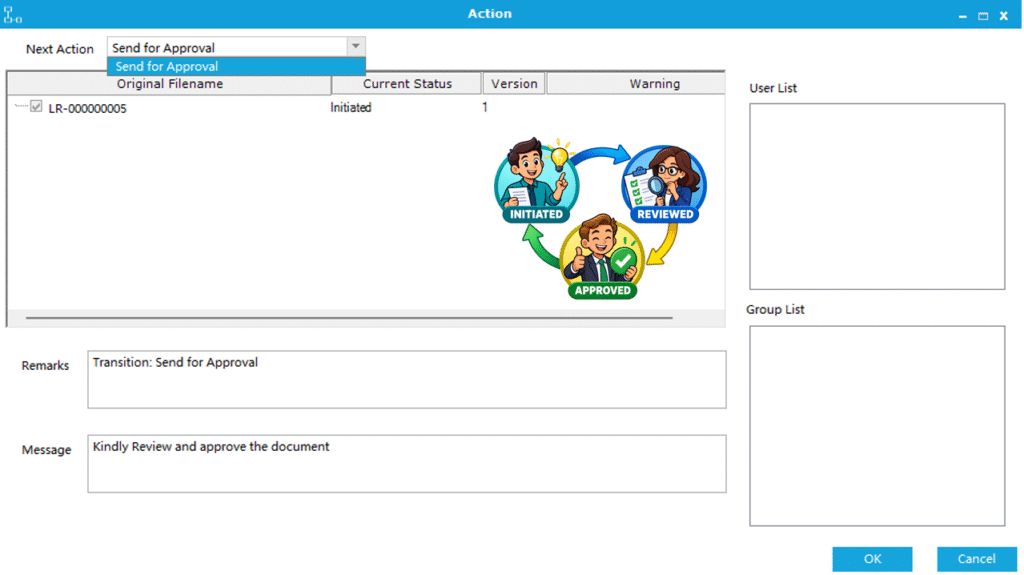
Digitalization should not simply mean converting forms into electronic records.
The real value comes from connecting quality activities and making information easier to access, review, and trace.
For example:
Issue
↓
Root Cause Analysis
↓
Corrective Action
↓
Evidence
↓
Effectiveness Verification
↓
Closure
The software does not make the engineering decision.
It provides the structure and visibility needed for the right people to make that decision and take action.
How Live!QC Tools Supports This Approach
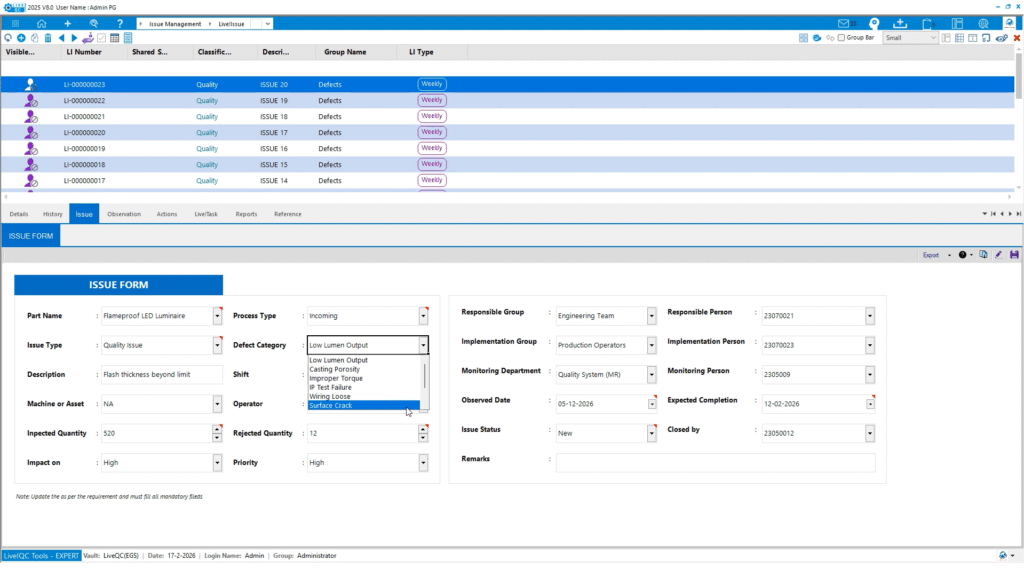
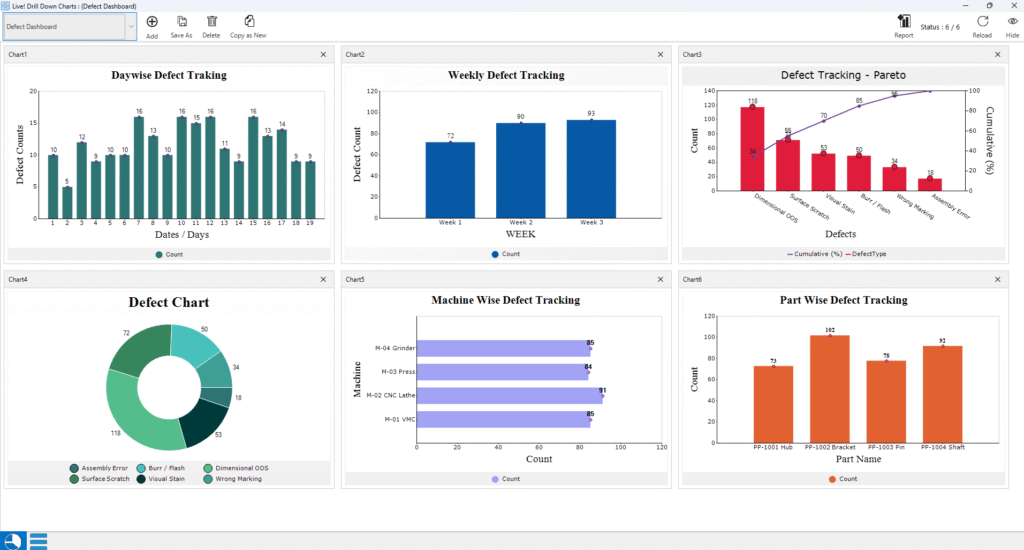
Live!QC Tools helps organizations manage quality issues through structured digital workflows covering activities such as issue management, RCA, corrective actions, verification, and closure.
The objective is simple:
Less scattered information. Less manual follow-up. Better visibility. Stronger traceability.
So quality engineers can spend more time solving problems and less time chasing their status.
Quality Problems Should Stay in the System — Not in Your Head
A quality engineer should be able to go home without wondering:
“Did I forget to follow up on something?”
A strong quality system does not make quality engineers unnecessary.
It gives them a better way to do their job.
Because quality engineers should spend their energy solving problems — not remembering where every problem stands.

Author Details
Christopher A is a technical solutions professional working closely with manufacturing industries to simplify and strengthen quality processes. With hands-on experience in implementing digital quality systems like Live!QC Tools, he focuses on turning complex data into actionable insights that drive real improvement.